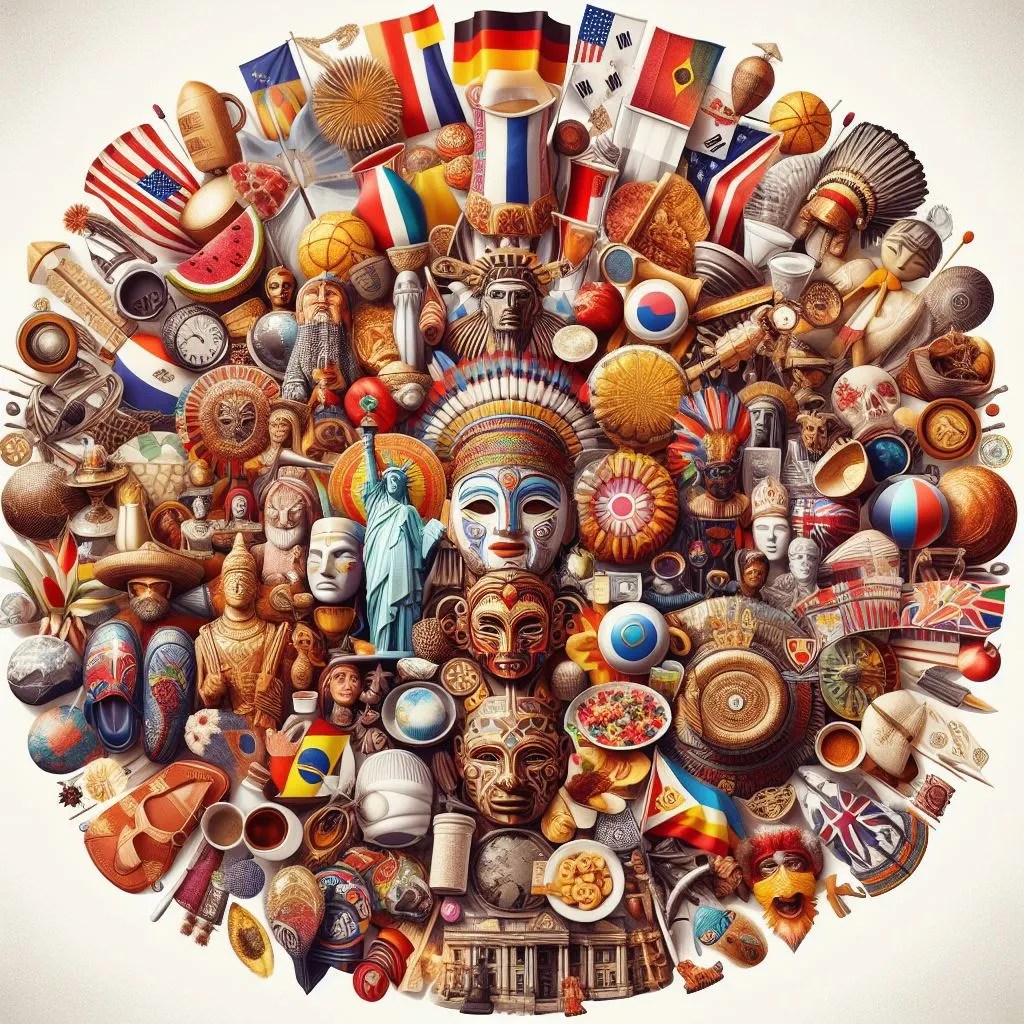
Ethnocentrism is the tendency to view one’s own culture as superior to others and to judge other cultures based on the standards and values of one’s own culture. Ethnocentrism can create barriers and conflicts in intercultural communication, leading to stereotypes, prejudices, discrimination and misunderstandings.
Consequences of Ethnocentrism in Intercultural Communication
Reducing the willingness to communicate with people from different cultures. Research has shown that the more ethnocentric an individual is, the less likely they are to engage in intercultural communication. This can limit their opportunities to learn from others, to exchange ideas and information, and to build trust and cooperation. It can also isolate them from the diverse and dynamic world around them and make them miss out on the benefits of intercultural communication, such as creativity, innovation, problem-solving and personal growth.
Impairing the ability to listen and understand different perspectives and experiences. Ethnocentric individuals may have difficulty empathizing with others, recognizing their biases and assumptions, and adapting to different communication styles and norms. This can lead to miscommunication, misunderstanding, frustration and conflict. It can also prevent them from appreciating other cultures’ richness and uniqueness and discovering new ways of thinking and acting. It can also make them insensitive and disrespectful to others, damaging their reputation and credibility.
Hindering the development of intercultural competence and awareness. Ethnocentric individuals may resist learning about other cultures or only seek information confirming their beliefs and stereotypes. They may also fail to appreciate different cultures’ diversity and complexity and recognize their cultural influences. This can make them ignorant and arrogant and unable to cope with the challenges and changes of intercultural communication. It can also make them vulnerable to manipulation and deception by others who may exploit their lack of knowledge and understanding.
How to Overcome Ethnocentrism in ICC
Ethnocentrism can significantly challenge effective intercultural communication, especially in today’s globalized and interconnected world. Following are some ways to overcome ethnocentrism in intercultural communication.
Develop a positive attitude toward other cultures. This involves being open-minded, curious, respectful, appreciative of cultural differences, and willing to learn from others. This can help them overcome their fears and prejudices and develop a sense of curiosity and wonder about other cultures. It can also help them establish rapport and trust with others and create a positive atmosphere for intercultural communication.
Increase the knowledge of other cultures. This involves seeking accurate and comprehensive information about different cultures, such as their history, values, beliefs, practices, norms, and customs. It also involves being aware of one’s culture and how it shapes one’s worldview and communication style. This can help them avoid stereotypes and generalizations and recognize cultural similarities and differences. It can also help them understand the context and meaning of intercultural communication and adjust their behavior accordingly.
Enhance skills in intercultural communication. This involves communicating effectively across cultural boundaries, such as using appropriate verbal and nonverbal cues, avoiding ethnocentric language, adapting to different contexts and situations, and resolving intercultural conflicts constructively. This can help them convey their messages clearly and accurately, avoid misunderstandings and misinterpretations, respond appropriately to feedback, handle disagreements diplomatically, and negotiate mutually beneficial outcomes.
Ethnocentrism is a common phenomenon that can affect anyone interacting with people from different cultures. However, ethnocentrism can be reduced and overcome through intercultural education, training and experience. We can foster more positive and productive intercultural relationships by becoming more aware of ethnocentrism and its effects on intercultural communication.




 Mind Over Matter
Leave a comment