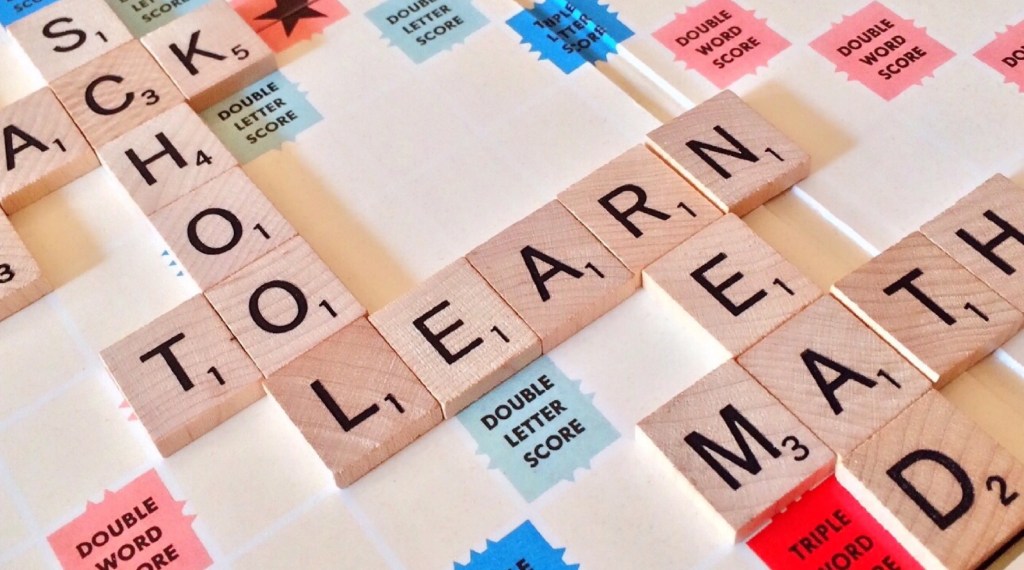
Learning is a lifelong process that involves acquiring new knowledge, skills, and abilities. Learning can also enhance our personal and professional growth, improve our performance, and increase our satisfaction. However, learning can be challenging and frustrating. Sometimes, we need help understanding complex concepts, retaining important information, or applying what we have learned to new situations. How can we overcome these challenges and become better learners?
This blog post will explore some of the most effective learning techniques and strategies to help you learn more efficiently and effectively. These techniques and strategies are based on scientific research and evidence from cognitive psychology, education, and neuroscience.
Learning Techniques
Learning techniques are specific methods or actions learners use to enhance their learning process. They can be applied before, during, or after learning to improve memory encoding, storage, or retrieval. The following section elaborates on some of the most effective learning techniques.
- Spaced practice: This technique involves distributing learning sessions over time rather than cramming them into one or a few sessions. Spaced practice allows for better consolidation and retention of information in long-term memory. For example, instead of studying for an exam in one night, you can study for a few hours each day for a week or two before the exam.
- Retrieval practice: This technique involves actively recalling information from memory rather than passively reviewing it. Retrieval practice strengthens the memory traces and makes them more resistant to forgetting. For example, instead of rereading your notes or textbook, you can test yourself with flashcards, quizzes, or questions.
- Elaboration: This technique involves adding meaning, detail, or explanation to the information you are learning. Elaboration helps you form deeper and richer connections between the new information and your prior knowledge. For example, instead of memorizing a definition or a formula, you can explain it in your own words, give examples, or relate it to other concepts.
- Interleaving: This technique involves mixing different topics or problems within a study session rather than focusing on one topic or type. Interleaving helps you learn to discriminate and generalize across different situations and contexts. For example, instead of repeatedly practicing the same math problem, you can practice various math problems randomly.
- Generation: This technique generates an answer, a solution, or a prediction before receiving feedback or instruction. Generation enhances your attention, engagement, and metacognition. It also prepares you for error correction and refinement. For example, instead of reading a summary or a solution, you can write your summary or solve the problem yourself first.
- Dual coding: This technique combines verbal and visual information to create a more integrated and memorable representation of the information. Dual coding exploits the complementary strengths of the verbal and visual systems in the brain. For example, you can use diagrams, graphs, charts, images, or animations instead of reading a text or listening to a lecture alone.
- Visual learning: This technique uses images, colors, shapes, symbols,
or spatial arrangements to represent or organize information. Visual learners tend to learn better by seeing rather than hearing or reading. For example, instead of listening to an audio recording or reading a text, you can watch a video, draw a mind map, or use flashcards with pictures. - Auditory learning: This technique involves using sounds, music, rhythms, rhymes, or speech to convey or remember information. Auditory learners tend to learn better by hearing rather than seeing or reading. For example, you can listen to a podcast, sing a song, or recite a poem instead of watching a video or reading a text.
- Text-based learning: This technique involves using words, sentences, paragraphs, or stories to express or comprehend information. Text-based learners tend to learn better by reading than by seeing or hearing. For example, instead of watching a video or listening to a podcast, you can read a book, write an essay, or summarize a text.
- Kinesthetic learning: This technique involves using movement, touch,
gesture, or action to experience or demonstrate information. Kinesthetic learners learn better by doing than by seeing, hearing, or reading. For example, you can perform a role play, build a model, or experiment instead of watching a video, listening to a podcast, or reading a book. - Multimodal learning: This technique involves using more than one mode or modality to learn information. Multimodal learners learn better by combining different techniques or strategies rather than relying on one. For example, you can combine techniques like dual coding, elaboration, and retrieval practice instead of using only one technique.
You can read about Bloom’s Taxonomy in the following post:
Learning Strategies
Learning strategies are general plans or approaches learners adopt to achieve their learning goals. They can be applied at different levels of the learning process, such as when setting goals, selecting materials, monitoring progress, evaluating outcomes, or reflecting on feedback. Some of the most effective learning strategies are:
- Self-explanation: This strategy involves explaining to yourself or others what you are learning, why you are learning it, how it relates to what you already know, or how to apply it to new situations. Self-explanation helps you monitor your understanding, identify gaps or errors in your knowledge, and deepen your comprehension. For example, you can use self-explanation when reading a text, solving a problem, or reviewing your work.
- Self-regulation: This strategy involves controlling your behavior, motivation, and emotions during learning. Self-regulation helps you set realistic and specific goals, plan your actions, manage your time and resources, cope with difficulties or distractions, and reward yourself for your achievements. For example, you can use self-regulation when preparing for a test, working on a project, or learning a new skill.
- Metacognition: This strategy involves thinking about your thinking and learning processes. Metacognition helps you assess your strengths and weaknesses as a learner, choose appropriate techniques and strategies for different tasks and situations, and evaluate your performance and progress. For example, you can use metacognition when deciding what to study, how to study it, or how well you have learned it.
- Collaboration: This strategy involves sharing ideas, information, or feedback during the learning process. Collaboration helps you learn from different perspectives, experiences, or expertise and develop social and communication skills. For example, you can collaborate when discussing a topic, completing a group assignment, or peer-reviewing your work.
- Active learning: This strategy involves engaging in activities that require higher-order thinking skills, such as analysis, synthesis, evaluation, or application. Active learning helps deepen your understanding, enhance your retention, and improve your transfer of information. For example, you can use active learning when solving problems, conducting experiments, or creating products.
- Mnemonic learning: This strategy involves using memory devices or tricks to help you remember information more easily. Mnemonic learning enables you to encode and retrieve information in an organized and meaningful way. For example, you can use mnemonic learning when memorizing lists, facts, or concepts.
- Text-visual combination: This strategy uses text and visual elements to present or learn information. The text-visual combination helps you appeal to different senses and cognitive processes and increases your attention and interest. For example, you can use text-visual combinations when reading texts with illustrations, graphs, or charts or creating presentations with slides or posters.
- Spaced learning: This strategy involves spacing out your study sessions over time rather than cramming them into one or a few sessions. Spaced learning helps you consolidate and retain information in your long-term memory more effectively. For example, you can use spaced learning when studying for exams, reviewing materials, or revising concepts.
- Revision without books and notes: This strategy involves recalling information from memory without relying on external sources or aids. Revision without books and notes helps you test your knowledge and identify areas for improvement. For example, you can use revision without books and notes when preparing for tests, quizzes or presentations.
In conclusion, learning is a complex and dynamic process that requires active and deliberate engagement from the learner. Effective learning techniques and strategies can enhance your learning outcomes and help you enjoy the learning process more. However, it is essential to note that there is no one-size-fits-all solution for learning. Different techniques and strategies may work better for different learners, tasks, domains, or contexts. Therefore, you should experiment with various techniques and strategies, monitor their effects, and adjust them according to your needs and goals.

 Mind Over Matter
Leave a comment